Unleashing Creativity with The Wild Color Font
More Than Just a Typeface: A Visual Safari
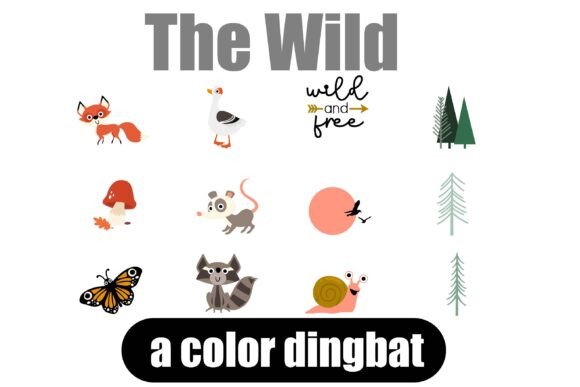
When you first encounter The Wild Color, it’s clear this isn’t your standard, run-of-the-mill font. It’s a premium font with a distinct personality, designed to inject energy and a sense of organic movement into your work. Think of it as a display font that doesn’t just sit on the page—it performs. Its visual characteristics are rooted in a fluid, slightly irregular structure that feels hand-drawn and alive. The letterforms have a confident, bold presence, yet they avoid being overly rigid or geometric. This gives The Wild Color an approachable, human touch, making it perfect for projects that need to feel authentic and spirited.
The style of The Wild Color bridges the gap between modern typography and artistic expression. It’s not a traditional serif font or a clean sans serif font, but rather a creative font that borrows the best of both worlds. You’ll notice subtle curves and weight variations that create a natural rhythm, much like a handwritten font or a script font but with more structure and readability at scale. Its overall appeal lies in its versatility—it can feel playful, adventurous, or sophisticated depending on the context and color palette you pair it with.
Where The Wild Color Truly Shines
Understanding where a font works best is key to using it effectively. The Wild Color is a powerhouse for logo design and brand identity projects, especially for brands that want to convey creativity, nature, energy, or a boutique feel. Imagine it anchoring the identity of an outdoor adventure company, a specialty coffee roaster, or an artisanal craft brand. Its character immediately tells a story.
Beyond branding, this commercial font excels in editorial design and packaging design. Use it for chapter titles in a cookbook, headings in a lifestyle magazine, or on product labels where you need to grab attention from a shelf. For digital creators, The Wild Color is a fantastic asset for web design hero sections, impactful blog post titles, and engaging social media graphics. It translates beautifully to print, making it a reliable choice for posters, brochures, and merchandise.
Practical Considerations for Your Projects
Choosing the right font is about more than just aesthetics; it’s about fit and function. When evaluating The Wild Color for a project, start by testing it with your core message. Does its personality align with your brand’s voice? A good test is to set a headline in the font and see if it evokes the right emotion. Because it’s a display font, it’s generally best used for headlines, titles, and short bursts of impactful text rather than long paragraphs of body copy.
Pairing is another critical step. The Wild Color works harmoniously with simpler, more neutral typefaces. Try combining it with a clean sans serif font for body text to create a clear visual hierarchy. For example, a heading in The Wild Color paired with a font like Montserrat or Open Sans for subheads and body text can create a balanced, professional layout. Always review the included styles and weights. Many premium fonts offer alternates, ligatures, or stylistic sets that can add even more uniqueness to your designs.
Readability should always be a priority. Test the font at various sizes to ensure it remains clear, especially if you plan to use it on screens. Check the spacing and kerning in your specific design software. Finally, if your project is commercial, confirm the licensing allows for your intended use. Most commercial fonts come with clear licenses, but it’s always responsible to double-check.
Elevating Your Visual Language
The right typeface does more than just display words; it influences perception. Using The Wild Color can significantly impact how your audience perceives your brand or project. Its distinctive style can enhance brand recognition and make your materials more memorable. In a crowded digital space, a strong visual identity helps you stand out, and a creative font like this is a key component of that.
It also contributes to a sense of professionalism and cohesion. When used consistently across your website, social media, and print materials, it becomes a recognizable element of your brand’s visual language. This consistency builds trust and makes your communications feel more polished and intentional. The Wild Color isn’t just a design asset; it’s a tool for storytelling. By choosing it, you’re making a deliberate choice to add personality, warmth, and a touch of the wild to your creative work, ensuring it connects with your audience on a more human level.