Wood Plank: A Color Font for Authentic, Natural Designs
More Than Just Letters: The Visual Character of Wood Plank
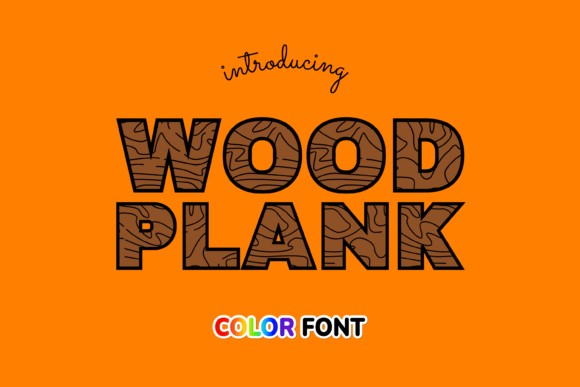
Wood Plank is a creative font that immediately sets a distinct mood. It’s not just a typeface; it’s a design element with a strong, lumber-inspired personality. Each character is crafted to look like it’s carved, burned, or printed on a piece of aged wood, complete with realistic grain, texture, and subtle variations in tone. The visual style is rustic, authentic, and full of warmth, making it a powerful tool for projects that need a natural, handcrafted touch. Unlike a standard serif font or a clean sans serif font, Wood Plank brings a tangible, organic quality to your text, evoking feelings of craftsmanship, nature, and nostalgia.
This display font is designed to be the star of the show. Its detailed textures and bold presence mean it’s built for headlines, logos, and short, impactful text—not for body copy in a long document. Think of it as a premium font that adds instant character. The overall appeal lies in its ability to communicate a specific brand identity or project theme without a single word of explanation. It tells a story of the outdoors, DIY projects, farmhouse living, and artisanal quality.
Where Wood Plank Truly Shines: Practical Applications
Understanding where this typeface excels is key to using it effectively. Its strength lies in applications where its unique texture can be appreciated at a glance. For branding and logo design, Wood Plank is a fantastic choice for businesses that want to project an image of reliability, earthiness, or rustic charm. Imagine it for a local brewery, a woodworking shop, an outdoor adventure company, or a specialty coffee roaster. It immediately sets the tone for the entire brand identity.
In packaging design, this font can make a product stand out on the shelf. It works beautifully on labels for artisanal foods, craft goods, or natural skincare products, suggesting the contents are made with care. For editorial design, consider using it for chapter titles in a book about nature or as a striking pull quote in a magazine feature on sustainable living. The font adds a layer of visual storytelling that complements the written content.
Digital spaces also benefit from its character. Wood Plank can create compelling social media graphics that stop the scroll, especially for posts related to DIY crafts, home decor, or outdoor activities. It’s also effective for web design headers on sites for lodges, campsites, or landscape architects. For personal projects, it’s perfect for custom invitations, wedding signage, scrapbooking, or creating personalized gifts that feel truly special.
Designing with Texture: Influence on Hierarchy and Perception
Using a textured, thematic font like Wood Plank has a significant impact on visual hierarchy and brand perception. Because it’s a bold display font, it naturally commands attention, making it ideal for establishing a strong focal point. This helps guide the viewer’s eye directly to the most important message, whether it’s a headline, a logo, or a call to action. The inherent style of the font does much of the heavy lifting in creating visual interest.
From a brand perception standpoint, consistency is crucial. Using Wood Plank across various touchpoints—from your website header to your social media profiles and printed materials—reinforces a cohesive brand story. It tells your audience that your brand values authenticity and a connection to natural materials. This consistency builds recognition and professionalism, even with a highly stylized font. The key is to use it strategically and sparingly, allowing its unique personality to enhance rather than overwhelm your design.
A Practical Guide to Using This Creative Font Asset
Choosing the right font pairing is essential for a balanced design. Wood Plank’s strong texture pairs best with clean, simple typefaces. A classic serif font or a modern sans serif font for your body text will provide a beautiful contrast, ensuring readability while letting Wood Plank handle the headlines. Avoid pairing it with other decorative or script fonts, as this can create a cluttered, confusing look. Let the wood texture be the primary design statement.
Before you start, always test the font at the size you intend to use it. While it’s perfect for large, impactful headlines, its detailed texture may lose clarity at very small sizes. Review all the included styles and characters in your design software to see how it can be best utilized for your specific project. Remember, this is an OpenType-SVG color font, meaning it contains rich color and texture information. It’s fully compatible with applications like Adobe Photoshop, Illustrator, Silhouette, and Inkscape, making it a versatile design asset for professionals and hobbyists alike.
Finally, always consider the context of your project and the licensing of the font. Wood Plank is a commercial font, so ensure your license covers your intended use, whether for a personal DIY craft or a client’s commercial packaging design. By thoughtfully integrating this typeface, you can elevate your work with a layer of authentic, tactile charm that resonates with audiences seeking genuine, natural aesthetics.