Going Pastel: A Playful Color Font for Creative Projects
Understanding the Whimsical Charm of This Typeface
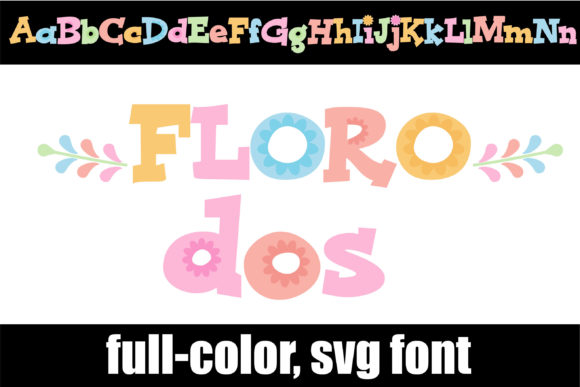
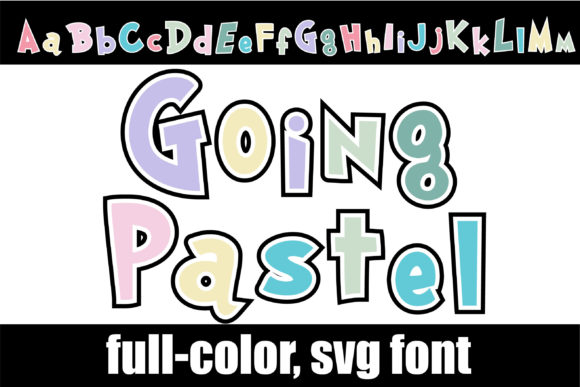
There's a specific kind of energy a design gets from a font that doesn't just spell words but embodies a feeling. Going Pastel is a prime example. It’s a full-color font, technically known as an OpenType-SVG, which means each letter is rendered in soft, pastel hues directly within the typeface itself. This isn't a standard text font you apply a color swatch to later; the pastel palette is baked into the character design, giving it a unique, textured appearance right out of the box.
The personality of Going Pastel is unmistakably child-like and authentic. The letterforms are chunky, rounded, and have a hand-drawn quality that feels friendly and approachable. Imagine the cheerful, slightly uneven letters a child might draw with thick crayons or markers—that’s the core visual appeal. It’s a display font at heart, meaning it’s designed for headlines, logos, and short bursts of text where its distinctive character can shine. Using it for body copy would compromise readability, but for grabbing attention, it’s incredibly effective.
This type of creative font taps into a broader trend in modern typography where designers seek assets that convey warmth, nostalgia, and playfulness. It stands in contrast to the clean lines of a sans serif font or the elegance of a serif font. Instead, it carves out its own niche as a handwritten font with a colorful twist, making it a valuable addition to any designer's toolkit of design assets.
Where This Font Truly Comes Alive
The real-world applications for a font like Going Pastel are surprisingly diverse, especially when you think beyond traditional print. Its inherent cheerfulness makes it a natural fit for projects targeting families, children, and anyone embracing a joyful aesthetic.
In branding and logo design, it can instantly set a brand’s tone. Think of a bakery, a children’s clothing boutique, a daycare center, or a stationery shop. Using Going Pastel in the logo or as a secondary headline font communicates approachability, fun, and a hands-on quality. It helps build a brand identity that feels personal and inviting, which can be a powerful differentiator in a crowded market.
For publishing and editorial design, consider book covers for middle-grade fiction, activity book interiors, or magazine headers for a parenting publication. The font adds visual interest and breaks up the monotony of standard text fonts, guiding the reader’s eye and enhancing the overall experience. Similarly, in packaging design for kids’ products, craft kits, or artisanal goods, it can make a product feel more special and thoughtfully designed.
Digital spaces are where its full-color nature is most appreciated. Social media graphics created with Going Pastel are inherently eye-catching in a fast-scrolling feed. It’s perfect for Instagram Stories, Pinterest pins, Facebook event headers, and promotional graphics for sales or announcements. For web design, it can be used sparingly for hero text, call-to-action buttons, or special feature sections to inject personality without overwhelming the layout. The key is using it strategically as a accent, not the workhorse.
Practical Guidance for Using Going Pastel Effectively
Choosing any premium font is about more than just liking how it looks; it’s about ensuring it serves the project’s goals. Here’s how to approach Going Pastel with a practical mindset.
Evaluate the Project Fit: Before you even download, ask yourself: Does the mood of this project align with playfulness and whimsy? If you’re designing a law firm’s annual report, this isn’t your font. If you’re creating a flyer for a community fun run or a social media ad for a toy store, it’s likely a perfect match. The font should amplify the message, not contradict it.
Master the Font Pairing: A display font like Going Pastel needs a partner. For body text or longer descriptions, pair it with a highly readable, neutral typeface. A clean sans serif font like Open Sans, Lato, or Montserrat works beautifully to provide contrast and ensure legibility. You could also pair it with a simple, rounded script font for a cohesive, friendly look, but test this carefully to avoid visual clutter. The goal is balance—let Going Pastel be the star of the show in headlines, while its partner handles the supporting role of clear communication.
Check Compatibility and Licensing: This is crucial. As noted, Going Pastel is an OpenType-SVG color font. It works in programs that support this format, like Adobe Photoshop, Illustrator, and Silhouette Studio. It is not compatible with Cricut machines, which is a common point of confusion. Always verify the software requirements before purchasing. Furthermore, review the licensing. Since it’s a commercial font, ensure the license covers your intended use, whether it’s for client work, products for sale, or personal projects. The PUA encoding is a bonus, allowing easy access to special glyphs and ligatures without advanced software knowledge.
Consider Readability and Hierarchy: Use this font for impact, not for reading paragraphs. Its strength is in short, high-visibility applications. In a poster, use it for the event title, but set the date, time, and location in a simpler font. This creates a clear visual hierarchy, guiding the viewer’s eye from the most engaging element (the pastel headline) to the essential details. Test it at various sizes on different backgrounds to ensure the pastel colors remain visible and the letters stay distinct.
Ultimately, Going Pastel is more than just a color font