To Do - Weekly: A Creative Font for Modern Projects
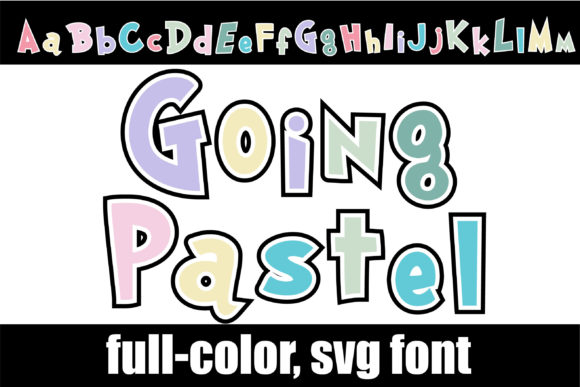
Finding a typeface that balances personality with professionalism is a constant challenge. You need something that captures attention without sacrificing clarity, something that feels fresh yet reliable. To Do - Weekly is a cool, useful, and adaptable color font designed to meet that exact need. It’s not just another display font; it’s a design asset built for the dynamic pace of contemporary creative work. Its visual character is clean and approachable, with a slight handwritten touch that injects warmth into digital and print layouts. The color aspect—being an OpenType-SVG font—allows for built-in gradients and textures, giving your text a unique, pre-styled appearance right out of the box.
Visual Character and Practical Application
The personality of To Do - Weekly strikes a balance between casual and curated. It’s less formal than a traditional serif font but more structured than a flowing script font. This makes it exceptionally versatile. Think of it as a modern typography solution for projects that need to feel human and engaging. The built-in color variations can mimic watercolor washes, subtle shadows, or bold graphic fills, adding depth that would otherwise require extra steps in design software. This feature is particularly useful for creating standout social media graphics, eye-catching blog headers, or unique packaging design elements where time and visual impact are both priorities.
Where does this creative font truly shine? Its adaptable nature suits a wide range of applications. For entrepreneurs and small business owners, it can elevate a brand identity by adding a distinctive touch to logos, business cards, and website banners. Marketers and content creators will find it invaluable for designing engaging social media posts, email newsletter headers, and digital ads that stop the scroll. In editorial design and publishing, To Do - Weekly works beautifully for chapter titles, pull quotes, and magazine layouts, adding a layer of visual interest to static text. Crafters and hobbyists using compatible software like Silhouette or Inkscape can use it to create custom decals, labels, and printable art with a professional, polished look that standard fonts can't easily achieve.
Integrating To Do - Weekly Into Your Workflow
Choosing a premium font is an investment, so evaluating fit is crucial. Before committing to To Do - Weekly for a major project, test it in context. Create a mock-up of your intended use—a sample Instagram post, a draft logo concept, or a page layout. This hands-on approach is the best way to assess how its weight, spacing, and color interact with your other design assets. Pay close attention to readability, especially at smaller sizes or in long blocks of body text. As a display font, its strength is in headlines and short-form copy. For extended reading, pairing it with a neutral sans serif font or a clean serif font is a smart strategy. This creates a clear visual hierarchy, where To Do - Weekly commands attention for key messages, and your supporting typeface ensures effortless comprehension.
When testing font pairing, consider contrast and complement. The friendly, slightly informal vibe of To Do - Weekly pairs well with a geometric sans serif for a modern, tech-forward feel. For a more classic or elegant contrast, try it with a refined serif font. Always review the included styles and glyphs within the font package. Understanding what’s available—alternate characters, ligatures, or additional color options—allows you to fully leverage its capabilities. Finally, for any commercial use, verify the licensing. Ensuring you have the correct commercial font license protects your projects and your business, allowing you to use this creative font confidently across client work, merchandise, and digital products.
Ultimately, To Do - Weekly is more than just a typeface; it’s a tool for adding character and efficiency to your creative process. Its value lies in its ability to deliver a polished, stylistic look without requiring advanced design skills or additional editing. By understanding its visual personality, testing its application in real scenarios, and pairing it thoughtfully, you can harness its potential to make your designs more engaging, memorable, and effective. Add it to your toolkit and explore the possibilities it generates for your next project.