Titia: A Cool, Robotic Typeface for Bold Branding
Visual Characteristics and Style
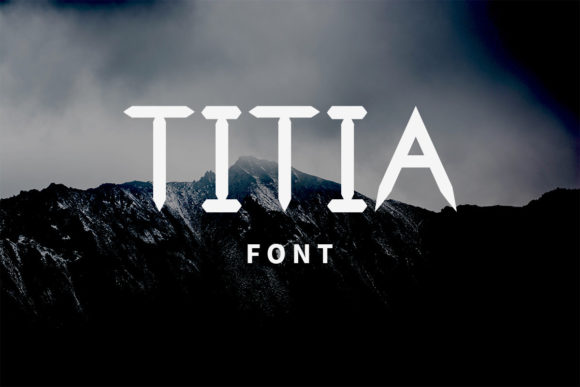
Titia immediately stands out with its thick, geometric letterforms and distinctly robotic personality. The font carries a mechanical precision that feels both futuristic and approachable, making it a versatile choice for projects that need to convey innovation without sacrificing readability. Each character features clean lines and consistent weight, creating a strong visual presence whether used at large display sizes or smaller text applications.
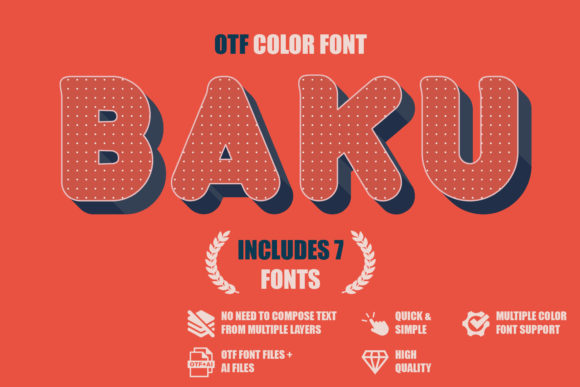
The color font technology adds another dimension to Titia's appeal. As an OpenType-SVG typeface, it can incorporate multiple colors within a single glyph, allowing for gradient effects, textured fills, and complex color schemes that traditional fonts simply cannot achieve. This capability transforms ordinary text into eye-catching design elements that stand apart from standard typography.
Practical Applications Across Creative Projects
For web designers working on modern interfaces, Titia brings a distinctive edge to headings and call-to-action buttons. Its bold, structured forms ensure visibility even on busy backgrounds, while the robotic aesthetic pairs well with tech startups, gaming platforms, and innovative service brands. Consider using Titia for hero sections, product names, or featured quotes where you want text to command attention.
In print and packaging design, this creative font excels at creating memorable brand touchpoints. Business cards using Titia make an immediate impression, especially when the color font features are utilized for logo treatments or accent text. The thick letterforms reproduce cleanly across different printing methods, maintaining their visual impact whether applied to luxury packaging, event materials, or retail signage.
Social media content creators will find Titia particularly useful for generating scroll-stopping graphics. The font's inherent boldness translates well to Instagram stories, YouTube thumbnails, and Pinterest pins where text needs to be instantly readable at small sizes. Its modern typography style helps content feel current and professional, which can improve engagement rates and brand recognition across platforms.
Strategic Font Pairing and Brand Considerations
When incorporating Titia into your design assets, thoughtful font pairing becomes essential for creating balanced compositions. The font works beautifully alongside clean sans serif fonts for body text, creating a clear visual hierarchy that guides readers through your content. For projects requiring more contrast, pairing Titia with a simple script font or handwritten font can soften its mechanical edge while maintaining that contemporary feel.
Brand identity projects benefit significantly from Titia's distinctive personality. The font communicates innovation, precision, and forward-thinking values—qualities that resonate with technology companies, creative agencies, and modern lifestyle brands. However, it's worth considering your audience's expectations: while Titia's robotic style appeals to demographics comfortable with tech aesthetics, more traditional industries might require careful application to avoid feeling too avant-garde.
Evaluating project fit involves examining both visual compatibility and practical requirements. Titia performs best in contexts where its unique character can shine without competing against other strong design elements. For editorial design with dense text, the font might work better for pull quotes and section headers rather than running copy. In logo design, its thick construction provides excellent scalability across different sizes and applications.
Technical Considerations and Workflow
Understanding Titia's technical specifications ensures smooth implementation across your design software. As an OpenType-SVG font, it requires compatible applications like Adobe Photoshop, Illustrator, or Inkscape to access its full color capabilities. The standard OTF and TTF files provide the basic letterforms, but the color features only function in supporting environments—this is particularly important for crafters and hobbyists who might use Silhouette machines for physical projects.
Readability testing should form part of your evaluation process, especially for applications involving extended text or small sizes. While Titia's thick, geometric forms maintain clarity at display sizes, its distinctive character shapes might require adjustment for body text contexts. Always preview the font at your intended output size, considering factors like background contrast, line spacing, and surrounding visual elements that could affect legibility.
For commercial use, reviewing the licensing terms protects your projects and clients. Most premium fonts like Titia include licenses covering both personal and commercial applications, but it's wise to verify specific usage rights for merchandise, digital products, or client work. The investment in a properly licensed creative font supports type designers while ensuring your projects remain legally compliant across all distribution channels.
When testing Titia in your workflow, experiment with different weights and styles to understand its full potential. Some projects might benefit from using the font sparingly for maximum impact, while others could embrace its robotic personality as a central design feature. The key lies in aligning Titia's inherent characteristics with your project's communication goals and audience expectations.
Ultimately, Titia represents more than just another display font in your toolkit—it's a design asset that can elevate brand perception and create distinctive visual experiences. By applying it thoughtfully across your creative projects, you leverage its unique strengths while maintaining the professionalism and consistency that build audience trust and recognition over time.