Tapir Glyph: A Playful Display Font for Modern Designers
Finding a typeface that genuinely captures a specific mood can transform a project from standard to standout. Tapir Glyph is not just a set of letters; it is a distinct design asset built around a specific aesthetic. This premium font takes a standard display format and overlays it with a whimsical, animal-centric theme. For designers and creators, understanding the technical and visual nature of this typeface is the first step to using it effectively. It operates as an OpenType-SVG color font, meaning the glyphs are embedded with full-color vector artwork. This moves it beyond the realm of standard black-and-white typography into the category of illustrated design elements.
Visual Anatomy and Design Style
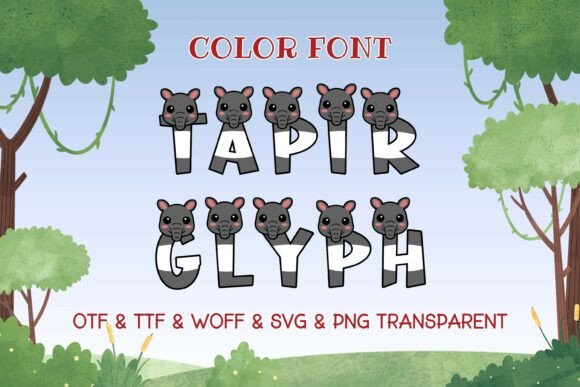
The defining characteristic of Tapir Glyph is its construction. Each character features a cute tapir head positioned directly above the letterform. The style is distinctly "flat cartoon," relying on bold, clean outlines rather than complex shading. The color palette is intentionally soft, utilizing grey tones for the tapir bodies and pink for the blush cheeks, which creates a friendly, approachable atmosphere. This combination of bold outlines and soft colors ensures the font remains legible even while maintaining a high level of decorative detail.
This is a display font, which means it is designed for impact rather than long-form reading. It falls outside the traditional categories of serif font, sans serif font, or script font. Instead, it occupies a niche in modern typography often referred to as illustrative or pictorial typefaces. The personality of the font is unapologetically playful. It carries "jungle vibes" that evoke nature, adventure, and a sense of childhood wonder. However, because of the flat design style, it avoids looking overly childish or unprofessional, striking a balance suitable for commercial applications.
Strategic Applications: Where Tapir Glyph Shines
When selecting a creative font like this, context is everything. The visual weight and distinct personality of Tapir Glyph make it a strong candidate for projects that require immediate emotional engagement. It works exceptionally well in environments where the goal is to delight or inform quickly.
- Branding and Logo Design: For businesses in the pet care, children’s education, or eco-tourism sectors, this typeface can serve as the foundation for a memorable logo design. It instantly communicates a brand identity that is friendly and nature-focused.
- Packaging and Product Design: In packaging design, shelf appeal is critical. This font is ideal for headers on snack packaging, toy boxes, or artisanal goods targeting a younger demographic or families. It also translates well to t-shirts and sublimation projects, where the color font capability allows for vibrant prints without additional layering.
- Digital and Web Presence: While not suited for body copy, it is excellent for web design hero sections, banner ads, and social media graphics. The bold outlines ensure visibility on various screen resolutions, making it a reliable choice for Instagram stories or Pinterest pins where grabbing attention is the priority.
- Editorial and Publishing: In editorial design, such as magazine covers or chapter headings in children's books, Tapir Glyph can break up the monotony of standard text. It serves as a visual palette cleanser that adds personality to the layout.
- Events and Stationery: The font is a natural fit for birthday invitations, nursery decor, and scrapbooking. Its inherent charm reduces the need for additional graphical elements, streamlining the design process for crafters and hobbyists.
Typography Mechanics: Readability and Hierarchy
Using a decorative display font requires a disciplined approach to visual hierarchy. Because Tapir Glyph includes detailed tapir faces on every character, it demands space. If used at sizes that are too small, the details will merge, and legibility will suffer. Therefore, it should strictly be reserved for headlines, sub-headlines, or accent text.
When building a layout, consider how this font interacts with other typefaces. A common strategy in design is to pair a highly stylized font with a neutral counterpart. Since Tapir Glyph is organic and playful, it pairs best with a clean, geometric sans serif font or a simple handwritten font. Avoid pairing it with a busy script font or a traditional serif, as this can create visual clutter. The goal is to let the tapir characters be the focal point while the supporting text provides clarity.
Furthermore, the color aspect of this font influences how it sits on a background. Unlike standard text that can be easily changed via CSS or design software settings, the colors in an OpenType-SVG font are baked into the file. You must ensure the background color of your canvas contrasts well with the soft grey and pink tones of the font to maintain readability.
Technical Considerations and Compatibility
Before integrating Tapir Glyph into a workflow, it is vital to understand the technical requirements of color fonts. This asset is provided as an OTF file utilizing OpenType-SVG technology.
Software Support: This technology is supported by most modern versions of professional design software, including Adobe Photoshop, Illustrator, and InDesign. It is also supported in many modern operating systems for native display. However, it may not render correctly in older legacy software or basic text editors that do not support SVG data. In unsupported environments, the font may appear as a standard black-and-white outline or fail to load entirely.
File Management: Because the font contains vector artwork for every glyph, the file size is larger than a standard font. This is rarely an issue for modern computers but is worth noting for those working on devices with limited storage or processing power.
Commercial Use: As a premium font, it typically comes with a license that outlines usage rights. Whether you are a freelancer creating a logo for a client or a business owner printing merchandise, reviewing the specific licensing terms is a standard professional practice. Ensure your usage aligns with the permissions provided, particularly for high-volume commercial products like print-on-demand merchandise.
Practical Design Tips
To get the most out of this creative font, keep these practical observations in mind:
- Let it Breathe: Because the characters include animal illustrations, they have a larger vertical footprint than standard letters. Increase your leading (line spacing) significantly to prevent the tapir heads from colliding with the text lines below them.
- Color Coordination: Pull the soft grey and blush pink from the font and use them as accent colors in the rest of your design. This creates a cohesive brand identity and ensures the font feels integrated rather than pasted on.
- Context Matters: While versatile, this font signals a specific tone. It is perfect for a pediatric dentist's website or a jungle-themed party, but it would be incongruent for a corporate law firm or a luxury watch brand. Always evaluate the project fit against the font's inherent personality.
Ultimately, Tapir Glyph