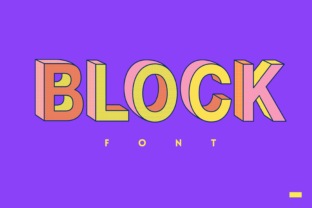
Block: The Iconic Display Font for Bold, Pop Art-Inspired Designs
Inspired by the energetic spirit of pop art and the unmistakable shapes of classic cartoon typefaces, Block is a display font that commands attention. It’s not just another set of letters; it’s a design statement. The moment you see it, you recognize its personality—chunky, rounded, and bursting with a playful confidence that feels both nostalgic and contemporary. For anyone looking to inject immediate visual impact into their projects, Block offers a unique and powerful solution that goes beyond simple text.
Understanding Block's Visual DNA and Personality
At its core, Block is a geometric, sans-serif display typeface defined by its thick strokes and soft, rounded corners. This combination creates a friendly yet assertive look, avoiding the harshness of sharp angles while maintaining a strong structural presence. Its letters sit on a baseline with a consistent, blocky rhythm, making it feel solid and dependable. The font’s personality leans heavily into fun, creativity, and approachability. It doesn’t whisper; it announces. This makes it an excellent choice for projects that need to convey energy, innovation, or a lighthearted tone without sacrificing professionalism.
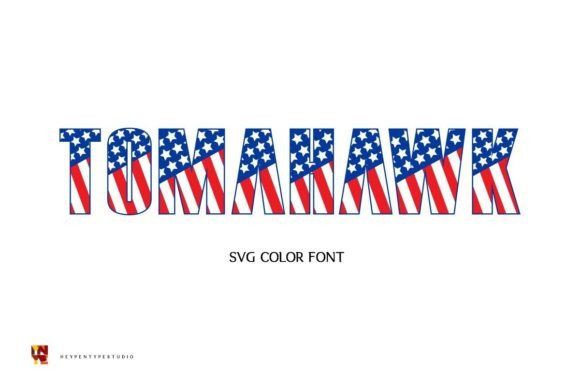
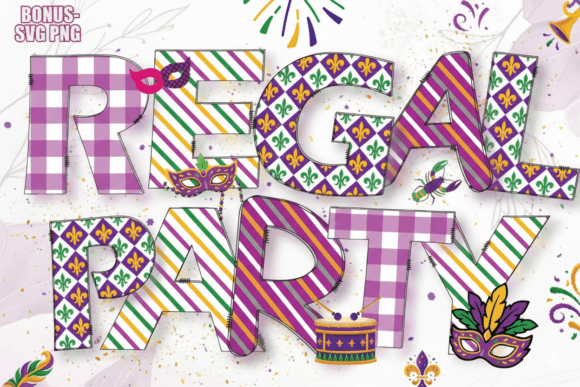
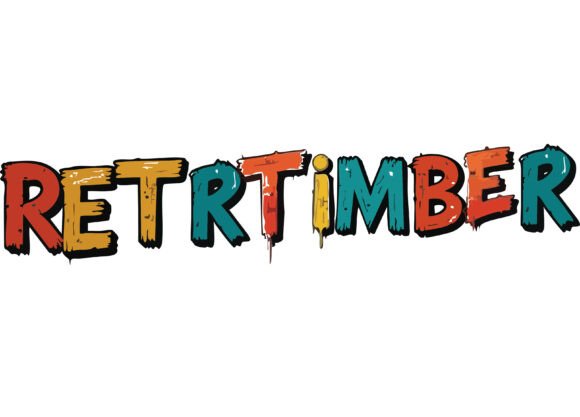
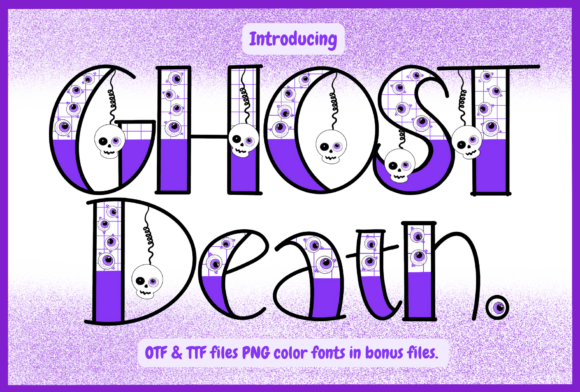
It's crucial to understand that Block is a premium font delivered as an OpenType-SVG color font. This means the letters aren’t just outlines; they contain built-in color information and texture, allowing for vibrant, multi-colored designs right out of the box. This feature sets it apart from standard serif fonts or sans serif fonts and makes it a standout creative font in any designer's toolkit. However, this also dictates its compatibility. Block works seamlessly in advanced design software like Adobe Photoshop, Illustrator, and Inkscape, as well as Silhouette Studio. It is not compatible with Cricut Design Space, so crafters using that platform should take note.
Where Block Truly Shines: Practical Applications
Knowing a font's personality is one thing; knowing where to deploy it is where the real value lies. Block’s bold nature makes it ideal for specific, high-impact scenarios across various creative fields.
- Logo Design and Brand Identity: For brands targeting a youthful, creative, or dynamic audience, Block can form the cornerstone of a memorable logo design. Think of a boutique toy company, a modern podcast studio, a trendy ice cream parlor, or a creative agency. Its distinctive shape ensures high recognition, which is fundamental to building a strong brand identity.
- Packaging and Editorial Design: On product packaging, Block can make a shelf presence unignorable. It’s perfect for headlines on snack foods, beverage cans, or children’s book covers. In editorial design, use it for magazine cover titles, chapter headings, or pull quotes to break up text and add a visual punch that draws readers in.
- Marketing and Social Media Graphics: In the fast-scrolling world of social media, grabbing attention is paramount. Block excels in social media graphics for announcements, sale promotions, event invitations, and video thumbnails. Its clarity at a glance makes it a valuable asset for digital marketing campaigns where message retention is key.
- Web Design and Digital Content: While not for body text, Block is a fantastic tool for hero sections, call-to-action buttons, and promotional banners in web design. It can guide a user’s eye and emphasize key messages, improving the overall visual hierarchy of a page.
Making Block Work for You: A Designer's Guide
Integrating a distinctive font like Block into your workflow requires a bit of strategy. Its strength is also its limitation—it’s a specialist, not a generalist.
First, always consider readability. Block is designed for headlines, subheadings, and short, impactful phrases. Its detailed, color-filled nature means it is not suited for long paragraphs of body copy. Pair it with a clean, neutral serif font or sans serif font for body text to create a balanced and legible design. For example, a classic like Garamond or a simple sans-serif like Helvetica can provide a calm counterpoint to Block’s exuberance.
Second, evaluate the project’s tone. Ask yourself: Does the brand or message call for a bold, playful, and slightly retro feel? If the project demands traditional elegance, subtle sophistication, or serious corporate tone, Block likely isn’t the right fit. But for anything that wants to feel energetic, innovative, and confident, it’s worth testing.
Third, take full advantage of what’s included. As an OpenType-SVG font, Block may come with stylistic alternates or different color variations within the font file itself. Explore the glyphs panel in your design software to see all the options. This can allow you to customize the look further without needing to manually recolor each letter.
Finally, always check the licensing for your intended use. Block is a commercial font, and its license will specify whether it can be used for client work, products for sale, print-on-demand services, or digital downloads. Understanding this upfront protects you and ensures you’re using this valuable design asset correctly.
Final Thoughts on This Creative Font
Choosing a typeface is a strategic decision that influences how your audience perceives your message. Block isn’t just a font; it’s a mood-setter. It’s the tool you reach for when you need to make a statement, inject personality, and create designs that feel alive and engaging. By understanding its characteristics, respecting its strengths, and applying it thoughtfully, you can leverage Block to elevate your projects from ordinary to unforgettable. It’s a testament to how the right modern typography can become the heartbeat of a creative vision.